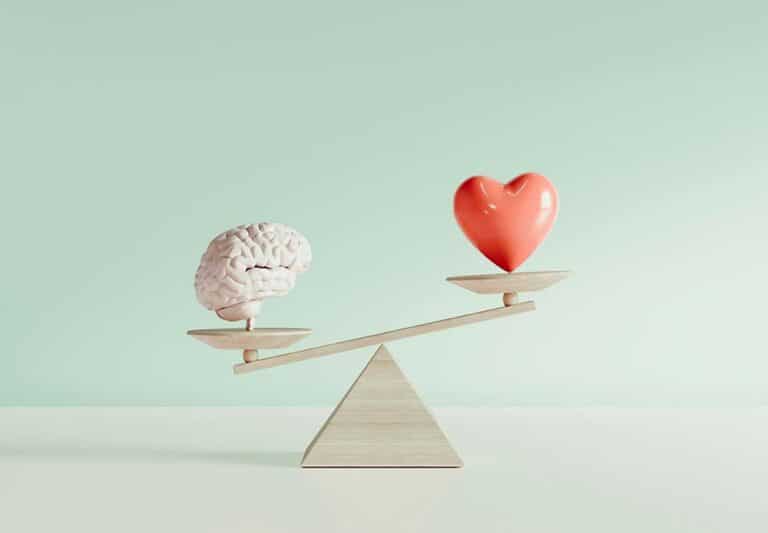
If you’ve ever found yourself wondering whether therapy really measures up to medication, or if one is better for your kid’s anxiety than the other, you’re not alone. This article is about getting a real-world, evidence-backed look at how anxiety therapy compares to other treatments, especially for children, teens, and young adults.
Along the way, I’ll share what the research tells us, touch on what’s relevant for families near Bellevue, and give you tools to make practical, confident choices for your family’s mental health journey. The goal? To help you feel empowered, not overwhelmed, and ready to find solutions that actually fit your needs.
Why Compare Anxiety Therapy and Other Treatments?
Choosing a direction for treating anxiety isn’t easy, there’s no “one right answer” across the board. Parents and young adults often ask themselves: Should we start with therapy, try medication, or think about doing both? Comparing options matters, because it’s not just about getting rid of anxious feelings for now, it’s about making decisions that will work long-term and support your child’s life, development, and family well-being.
When you understand what the science says about therapy, medication, and other possibilities, decisions become a lot more personal and effective. You can focus less on second-guessing, and more on what fits your family’s own story and needs. Knowing how treatments stack up sets you up to advocate for your child and feel confident whether you’re talking to a doctor, school counselor, or a therapist.
Psychotherapy and Pharmacotherapy for Anxiety: What the Evidence Shows
Let’s zoom out for a big-picture look at how talk therapy (psychotherapy) and medication (pharmacotherapy) compare when it comes to treating anxiety in children, teens, and young adults. Both therapy and medication are widely used, but just because they’re common doesn’t always mean their effects are identical, or equally durable.
Researchers have spent decades comparing these different approaches and crunching the numbers in what’s called meta-analyses (basically, those are big research reviews). Names like Pim Cuijpers, Marit Sijbrandij, and Gerhard Andersson come up often here, they’ve sorted through mountains of studies so families can get answers that go beyond “it depends.”
All this research can sound pretty technical, but the upshot is surprisingly practical: How likely is your child to feel better with therapy versus medication? How long do those results last? And how often do symptoms creep back after stopping treatment? Stick around, because the next sections break down what the science actually shows, and what it all means for real families making tough choices about mental health.
Meta-Analyses Comparing Psychotherapy Anxiety Pharmacotherapy
Major meta-analyses have compared psychotherapy and pharmacotherapy for anxiety, with one large analysis finding broadly comparable overall effects across several depressive and anxiety disorders (Cuijpers et al., 2013). These studies lump together results from dozens, or sometimes hundreds, of randomized controlled trials, which helps minimize bias and showcase patterns that show up again and again.
What do the numbers actually say? Overall, both psychotherapy and medication can help reduce anxiety symptoms, with remission rates around 50–60% for both approaches in controlled settings. But the advantage of therapy shows up over time. Long-term follow-up data indicate psychotherapy, especially when using structured approaches like Cognitive Behavioral Therapy (CBT), tends to produce more lasting results, lower relapse rates, than medications alone once treatment stops. A landmark network meta-analysis by Cuijpers’ group found therapy maintained benefits well after the last session, while symptoms often returned more quickly after discontinuing meds.
Importantly, individual responses can vary based on age, type of anxiety, and co-occurring conditions. For local families near Seattle or Bellevue, that means considering these results alongside your child’s (or your own) unique profile. Global research provides the map, but you know the terrain you’re traveling. Bottom line: Talk therapy and medication both “work,” but therapy appears to stick better for many, building skills you keep even when treatment is over.
Therapy Anxiety Medication: CBT Versus Medication for Anxiety
When it comes to head-to-head comparisons, Cognitive Behavioral Therapy (CBT) and medication are probably the most closely studied duo. So, how do they stack up? In children and adolescents with separation anxiety, generalized anxiety disorder, or social phobia, CBT and the SSRI sertraline produced similar treatment responses, while combining CBT with sertraline was more effective than either treatment alone (Walkup et al., 2008). CBT focuses on challenging negative thoughts, building coping skills, and gradually facing situations that trigger worry, helping kids and young adults build confidence from the inside out.
One important difference: side effects. Medication can cause unwanted effects like sleep changes, appetite shifts, or mood swings for some children and teens. Therapy, while sometimes uncomfortable (think: facing your fears or talking about hard stuff), usually doesn’t come with physical side effects. Relapse rates are another tipping point, kids who complete a course of CBT are less likely to have their anxiety come back after therapy ends, compared to those who stop medication cold.
That said, preference matters too. Some kids (or families) want faster relief in very intense situations, especially if there’s urgent suffering or major school impact. Others are drawn to therapy’s focus on skill-building and long-lasting change. In my experience, what works best in Bellevue is often what best matches the family’s values, resources, and readiness for change.

Types of Anxiety Treatments and How They Work
If you’re feeling stuck trying to decode all the options for anxiety treatment, you’re not alone. From classic cognitive and behavioral therapies to newer body-focused and trauma-informed modalities, mental health care offers a range of tools to support different needs. Knowing how these methods actually work, the mechanisms that drive improvement, lets you make choices that are tailored, not just standard-issue.
Some families need a straightforward game plan: change unhelpful thoughts and behaviors, gain control, and get back to everyday life. Others need therapy that addresses trauma, or the ways anxiety shows up in the body, think headaches, stomachaches, or feeling “frozen” in stress. Medications bring biological changes to brain chemistry, while therapies like EMDR and somatic psychotherapy target deeper brain-body connections. Understanding what’s possible helps you design a treatment plan that fits your family, not just a diagnosis.
Cognitive and Behavioral Therapy Approaches
- Cognitive Behavioral Therapy (CBT): CBT is the gold standard for treating most anxiety disorders. It focuses on helping kids and young adults identify and challenge unhelpful thought patterns (“What if I fail this test?”) and the behaviors that keep anxiety going (like avoidance). Treatment usually includes practical homework, facing fears step-by-step and learning new coping skills.
- Dialectical Behavior Therapy (DBT): Originally developed for intense emotion regulation issues, DBT can also help those struggling with severe anxiety, particularly when it comes with big swings in mood. DBT combines cognitive strategies with mindfulness, distress tolerance, and interpersonal skills, giving teens tools for handling overwhelming situations.
- Acceptance and Commitment Therapy (ACT): ACT invites kids and young adults to notice and accept uncomfortable feelings, rather than fight them, while staying true to their personal values. Instead of trying to “get rid of” anxiety, ACT helps them move forward with what matters, school, friendships, even when worry shows up.
- Interpersonal Therapy (IPT): IPT is less common for strictly anxiety, but shines when anxiety is tied up with relationships, conflict with friends, bullying, or big changes at home. IPT targets social communication and problem-solving, often helping reduce anxiety triggered by relational stress.
Eye Desensitization Reprocessing and Somatic Psychotherapy
- Eye Movement Desensitization and Reprocessing (EMDR): EMDR is best known for treating trauma and PTSD, but it’s gaining traction for anxiety, especially when past stressful events are stuck in the background. During EMDR sessions, a therapist leads the child or teen through guided eye movements while focusing on anxiety triggers, which seems to help the brain “reprocess” stuck memories so they lose their power to trigger fear.
- Somatic Psychotherapy: This approach zeroes in on the body’s role in anxiety, treating symptoms like muscle tension, headaches, or “butterflies” through gentle awareness and movement exercises. Somatic techniques can be helpful when talk therapy alone isn’t shifting anxiety that’s felt primarily as physical discomfort, or when there’s a history of chronic stress or pain.
- How They Differ from Traditional Talk Therapy: Both EMDR and somatic psychotherapy move beyond just talking about worries. They tap into the mind-body connection, using physical cues and sensations as part of the healing process, a game-changer for some young people whose anxiety doesn’t respond to regular conversation-based treatment.
Choosing Between Therapy, Medication, or Combined Treatment for Anxiety
It’s the million-dollar question, should you start with therapy, medication, or mix both right out of the gate? That decision isn’t just about symptoms; it’s about what your family values, what you can access, and the unique story each child brings. For some, therapy-first makes sense, especially when anxiety impacts school, friendships, or family connections but isn’t completely overwhelming. For others, medication may be a necessary tool to “lower the temperature” so therapy can actually work.
Often, the best approach layers different elements: therapy to build skills, medication when symptoms are more severe, or a combination of both, which research has found can be more effective than antidepressant medication alone for some anxiety disorders (Cuijpers et al., 2014). What’s key is knowing your options, staying flexible, and partnering with a provider who isn’t locked into a single path. In my work with youth and families across Bellevue and the Eastside, the most effective plans are always tailored, never cookie-cutter.
Pathways: Therapy-First, Medication-First, or Combined Treatment
- Therapy-First: Recommended for mild to moderate anxiety, when there’s time to build skills gradually. Great for kids open to talking and for families wanting long-term solutions with minimal side effects.
- Medication-First: Sometimes needed for severe, debilitating anxiety, urgent risk, or if therapy isn’t accessible right away. Can bring relief quickly, but usually not a solo solution for managing triggers.
- Combined Approach: Best for intense symptoms or when therapy alone isn’t enough. Medication calms things down enough that therapy can “land,” and coping skills are easier to practice.
Access and Practical Considerations in Finding Care
- Finding Trained Providers: Getting a spot with a qualified therapist can be a waiting game. Not all providers have specialized experience with childhood anxiety, so families looking for a Childhood Anxiety Therapist in Bellevue ,WA should consider the provider’s training, assessment approach, and the specific services offered before getting started.
- Online and Telehealth Options: Psychiatry is increasingly available online, with some services offering prescriptions and medication management virtually. Make sure any service you use is licensed in Washington and reviews medications with full transparency about risks and follow-up.
- Where to Start for Referrals: Consider reaching out to school counselors, pediatricians, or asking other parents.
- Barriers to Care: If you’re not sure where to begin, working with a Neuropsychological Assessment Psychologist or starting with a medical check-up can help clarify what’s truly going on. Both can help clarify what’s truly going on and what treatment pathway might fit your child best, especially if symptoms are murky or there’s more than just anxiety in play.
Natural and Over-the-Counter Remedies for Anxiety
- Supplements and Herbs: Over-the-counter products like valerian root, chamomile, or CBD are popular for “natural” anxiety relief, but robust research is limited. NCCIH-funded studies show mixed results, and safety isn’t guaranteed, especially in kids, where quality control varies. Always consult your provider before trying anything new.
- Vitamins and Minerals: Some evidence supports magnesium, omega-3s, or B-vitamins in overall mood, but they’re not primary treatments for anxiety. Most studies suggest benefits are small, and set doses for treating anxiety aren’t established.
- Mindfulness and Relaxation Apps: While not a “remedy” in the supplement sense, guided relaxation, meditation, or breathing apps can help ease symptoms. These are safest for most, but work best when woven into daily life, not just pulled out when panic hits.
- Complementary Therapies: Activities like yoga, art therapy, or nature walks can support healthier coping, though results vary widely. They’re rarely a sole fix but can be great add-ons if anxiety isn’t severe.
- Key Takeaways: Stick with evidence-based treatments as core options for serious anxiety. Natural and OTC approaches may help some, but never substitute these for professional care or monitoring, especially in children and teens.

Psychologists and Psychiatrists: Roles and How to Choose
It can be tricky to know who’s who in the world of mental health. Psychologists and psychiatrists both help with anxiety, but they do it differently. Psychologists are experts in therapy, testing, talking, and teaching coping skills, while psychiatrists are medical doctors who can prescribe medication and manage its effects. For children, teens, and young adults, the right match depends on what the issues are and what mix of services is needed.
Sometimes, psychologists and psychiatrists work together in collaborative care models, a major plus for families who want both worlds. In Bellevue and Seattle, finding specialists who understand development, family systems, and cultural background is key, and practices such as Northwest Pediatric Neuropsychology focus on comprehensive evaluation of children, teens, and young adults experiencing learning, emotional, behavioral, and attention-related concerns. As you decide, focus on providers who communicate clearly, respect your child’s story, and help you feel like a partner in the process.
Questions to Ask Your Therapist or Provider Before Starting Treatment
- What are the goals of treatment? Make sure your provider can explain what “better” will look like for your child or family, both in everyday life and on clinical measures.
- What are the potential risks or side effects? Whether choosing medication or therapy, understand any physical or emotional risks so you can be fully informed before starting.
- How will we track progress? Ask how often symptoms will be reviewed and what benchmarks or check-ins are used to decide if a treatment is working.
- What happens if we don’t see improvement? Good providers always outline backup plans, including options for referral or adjustment.
- How can we stay involved as a family? Especially for kids and teens, involvement from parents and educators can be crucial.
Long-Term Outcomes and Relapse Prevention: Therapy Versus Medication
It’s one thing to feel better for a few weeks, but most families want to know what will last, how to help their child or teen avoid endless cycles of feeling better and then slipping back. When weighing therapy versus medication, durability matters: does improvement hold up after the treatment is done? Relapse rates and long-term brain changes are areas where research gives clear clues about the value (and limits) of each approach.
In the Puget Sound area, a lot of parents ask about how to keep progress going for the long haul. Therapy, especially cognitive and behavioral methods, offers not only immediate symptom relief for anxiety but also builds skills that stay with kids and young adults over time. Medication can be a huge help and sometimes necessary, but research shows higher relapse rates once the medication is stopped, especially if therapy skills haven’t been built alongside it.
Learning about neuroplasticity, how therapy changes the brain, adds a layer of understanding to why certain gains last. The sections that follow break down relapse data and how therapy can actually help “rewire” anxious patterns, making the case for durability beyond just symptom management.
Relapse Rates After Discontinuation of Treatment
Research shows striking differences in relapse rates when families look at what happens after treatment stops. For anxiety, roughly 50–70% of those who stop medication relapse within a year, meaning symptoms come back or worsen. By comparison, relapse after successful CBT appears relatively uncommon in young people, with a meta-analysis reporting an overall relapse rate of 10.5% across studies of children and adolescents with anxiety and related disorders (Levy et al., 2022). My experience lines up with these numbers: therapy teaches coping and resilience that stick, while medication is more of a “pause button” unless paired with skill-building.
Neuroplasticity and Cognitive Changes from Therapy
Therapy, especially treatments like CBT, can actually change how the brain responds to stress and worry, a phenomenon called neuroplasticity. Over time, repeated practice of new coping skills and healthy thought patterns “rewires” brain circuits away from old anxiety loops. This makes gains from therapy more sustainable compared to medication, which tends to change neurochemistry only while you’re taking it. These biological changes lay the groundwork for lifelong mental health resilience.
Patient-Reported Outcomes and Quality of Life: More Than Just Symptom Scores
- Daily Functioning: Anxiety treatment isn’t just about symptom checklists, parents often report big gains in their child’s school attendance, participation in hobbies, and ability to manage stress at home.
- Social Relationships: Kids and young adults who respond well to therapy say they feel more confident connecting with friends, trying new activities, and handling conflicts, benefits that ripple out to family life, too.
- Self-Efficacy and Agency: Many young people who do therapy describe feeling more in control of their decisions and reactions, not just less anxious. This sense of agency is linked to better long-term outcomes.
- Treatment Satisfaction: Across studies, those who choose therapy (or combine it with medication) tend to report higher satisfaction and less worry about future setbacks than those relying on medication alone.
Conclusion
Navigating anxiety treatment isn’t about picking “the best” option, it’s about finding the right fit, at the right time, for your child and family. Evidence favors therapy, especially when durability and life skills matter, but medication has an important place for urgent situations or severe symptoms. Combining approaches or sequencing them thoughtfully gives families the highest chance at real, lasting relief. Keep asking questions, advocate for personalized support, and remember: you don’t have to figure this out alone, help, resources, and hope are out there.
Frequently Asked Questions
Is therapy or medication better for anxiety in children and teens?
Studies show both can be effective, but therapy, especially Cognitive Behavioral Therapy (CBT), often has more lasting results and fewer side effects. Medication can provide quicker relief for severe anxiety or when therapy isn’t easily accessible. The best choice depends on severity, personal preference, and specific challenges your child is facing.
Can therapy and medication be combined for best results?
Yes, combining therapy with medication can offer the most comprehensive benefit, especially for moderate to severe cases or when symptoms don’t respond fully to one option. Medication may help lower anxiety enough so that therapy skills can be learned and practiced more effectively. A collaborative provider can guide this process.
What should I watch out for with anxiety medications in young people?
Common side effects include changes in appetite, sleep, energy, or mood. Rarely, medications can cause agitation or increased suicidal thoughts. Ongoing monitoring by a medical provider is essential, never start or stop medication abruptly, and always talk openly about changes you notice, both positive and negative.
Will my child need anxiety treatment forever?
Not usually. Many children and teens benefit from time-limited courses of therapy, gaining skills that last long after sessions end. Medications are often used for months to a year, then tapered with a provider’s help. Long-term needs depend on progress, ongoing stressors, and the underlying type of anxiety.
How do I know if a provider is qualified to treat anxiety?
Look for providers with specialized training in child/adolescent mental health, experience treating anxiety disorders, and clear communication about their approach. Checking credentials, asking about evidence-based practices (like CBT), and seeking feedback from other local families can help you find the right partner for your child’s care.
References
- Cuijpers, P., Sijbrandij, M., Koole, S. L., Andersson, G., Beekman, A. T. F., & Reynolds, C. F., III. (2013). The efficacy of psychotherapy and pharmacotherapy in treating depressive and anxiety disorders: A meta-analysis of direct comparisons. World Psychiatry, 12(2), 137–148.
- Cuijpers, P., Sijbrandij, M., Koole, S. L., Andersson, G., Beekman, A. T. F., & Reynolds, C. F., III. (2014). Adding psychotherapy to antidepressant medication in depression and anxiety disorders: A meta-analysis. World Psychiatry, 13(1), 56–67.
- Walkup, J. T., Albano, A. M., Piacentini, J., Birmaher, B., Compton, S. N., Sherrill, J. T., Ginsburg, G. S., Rynn, M. A., McCracken, J., Waslick, B., Iyengar, S., March, J. S., & Kendall, P. C. (2008). Cognitive behavioral therapy, sertraline, or a combination in childhood anxiety. The New England Journal of Medicine, 359(26), 2753–2766.
- Levy, H. C., Stevens, K. T., & Tolin, D. F. (2022). Research review: A meta-analysis of relapse rates in cognitive behavioral therapy for anxiety and related disorders in youth. Journal of Child Psychology and Psychiatry, 63(3), 252–260.