Neuropsychological testing shouldn’t feel mysterious or intimidating. In my Bellevue practice, serving families across Seattle and the Eastside, I use testing to answer one central question: why is a child struggling? I’m a pediatric neuropsychologist, and much of my work involves listening closely to parents, understanding concerns, and using structured tools to build a clear picture of how a child thinks, learns, manages emotions, and moves through daily life. Neuropsychological testing isn’t about fitting a child into a box. It’s about understanding what is getting in the way, what strengths can be built on, and what support may actually help.
Understanding Neuropsychological Testing and Evaluation
“Neuropsychological testing”, sounds pretty straightforward, right? But there’s more to it than just filling out a few forms. At its core, neuropsychological testing uses standardized tools to understand how different parts of a child’s thinking, learning, attention, memory, language, emotional regulation, and problem-solving are working together. These tools are carefully designed so results can be trusted, like reading a reliable thermometer, not a guess.
In a neuropsychological evaluation, I’m not only looking at isolated scores. I’m looking at patterns. For example, attention can affect learning, anxiety can affect memory, and language can affect how a child shows what they know. The goal is to understand how the whole child is functioning, not just whether one score falls above or below average.
Now, you might also hear about “psychological evaluation.” Here’s the difference: testing involves specific tools, while evaluation is the big-picture process that puts all the puzzle pieces together. A proper evaluation doesn’t just look at test scores; it combines testing with interviews, observations, and background info to get a well-rounded view of your child’s world.
When I talk with parents, they rarely use the word “evaluation.” They’ll say things like, “We’ve tried everything,” or “Something just isn’t clicking.” My role is to step back, look at the whole picture, and connect the dots in a way that makes sense for everyday life.
For families, this distinction matters because evaluation is about understanding the “why” behind your child’s struggles, not just the “what.” Whether it’s a school challenge, mood swings, or behavior changes, these tools help uncover what’s going on beneath the surface. Having real answers cuts through confusion, turning worries into actions, and opening doors at school, at home, and in everyday life.
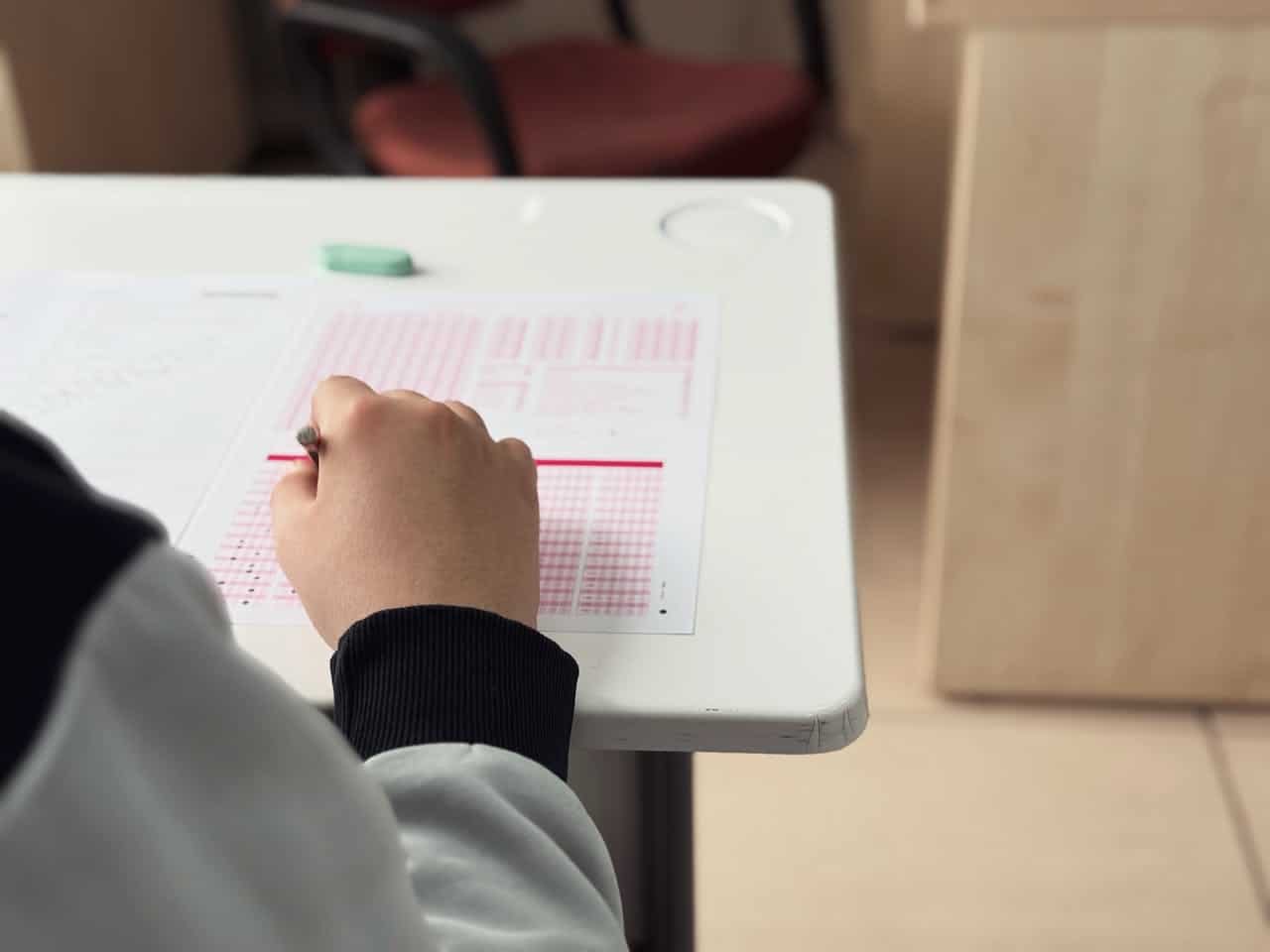
Key Principles of Reliable and Valid Neuropsychological Testing
If you’re going to rely on the results of a neuropsychological test to make decisions for your child, you want to be sure those results are solid. That starts with three big ideas: reliability, validity, and standardization.
Reliability means the test gives consistent results each time it’s used. If your child took the same test on two different days, the results should be pretty close, just like a bathroom scale that doesn’t jump 10 pounds every morning.
Validity is about accuracy, specifically whether a test truly measures the psychological concept it claims to assess, a principle known as construct validity (Cronbach & Meehl, 1955). Does the test actually measure what it says it measures? For example, a math achievement test shouldn’t end up measuring reading skills by accident. A valid test gives you meaningful insights, not just numbers.
Then there’s standardization. This means your child’s results are compared to a well-chosen “norm group”, kids of the same age and background, so scores are fair and meaningful. Test developers work hard to make sure the tools are fair across cultures, languages, and abilities.
Today’s standards are shaped by science and tough ethics, not just tradition, as reflected in the Standards for Educational and Psychological Testing developed by the American Educational Research Association, American Psychological Association, and National Council on Measurement in Education. These guidelines help prevent bias, ensure fairness, and make sure the results really reflect your child, not someone else’s expectations.
In pediatric neuropsychology, these standards matter because the results may shape school supports, therapy referrals, diagnoses, and how adults understand a child’s needs.
Types of Tools Used in Neuropsychological Evaluations and How They Are Used
Neuropsychological evaluations can include many different types of tools, depending on the child’s age, concerns, and developmental needs. Some tasks look at thinking skills like reasoning, attention, memory, language, or visual processing. Others look at academic skills, emotional functioning, behavior, and day-to-day coping.
The goal is not to give every child the exact same tests. The goal is to choose tools that help answer the family’s referral question while still looking broadly enough to understand the whole child.
Emotional, Behavioral, and Social-Emotional Questionnaires
Emotional and behavioral questionnaires help gather information from parents, teachers, and sometimes the child or teen. These tools can help clarify concerns related to anxiety, depression, attention, behavior, autism, emotional regulation, or social functioning.
These questionnaires do not stand alone. I use them alongside interviews, observations, history, and direct testing so the results make sense in the context of the child’s real life.
Intelligence and Academic Assessment
- Intelligence Tests (IQ tests): Measures like the WISC-V or WAIS look at reasoning, problem-solving, language, memory, and more. They help identify if a child’s cognitive abilities are developing as expected and can reveal areas of exceptional strength or possible need.
- Achievement Tests: These tests assess academic skills such as reading, writing, and math. They’re often used to clarify whether school struggles are due to a learning disorder or other factors.
Neuropsychological Assessment
Neuropsychological assessment takes a broader look at how a child’s brain is working across different areas. This may include attention, memory, executive functioning, language, visual processing, learning, emotional regulation, and behavior.
This matters because children are rarely struggling in just one isolated area. Attention can affect learning. Anxiety can affect working memory. Language can affect social understanding. A neuropsychological evaluation helps connect those dots so parents and schools have a clearer picture of what is happening and what may help.
The Neuropsychological Testing Process: What to Expect from Start to Finish
Showing up for psychological testing can feel a little like stepping into the unknown. But the process is more familiar, and supportive, than you might expect. It’s designed to help kids and families feel comfortable, respected, and understood at each step.
The journey starts before any test questions: there’s an initial conversation or intake, where the provider learns about your child’s history and current concerns. From there, they carefully choose which tests fit your child’s needs, not a one-size-fits-all approach. On testing day, a trained professional guides your child through puzzles, drawings, or questions, usually mixing up activities and breaks to make things feel as stress-free as possible. In my practice, testing is completed in one day, with breaks built in so children can eat, move, rest, and reset as needed.
I also spend a lot of time listening before any testing begins. Many parents share that this is the first place they’ve been able to fully explain their concerns without feeling rushed. That conversation often shapes which tools I choose and how I interpret the results.
I explain the day in child-friendly language. I often describe the activities as “brain games” and let children know they will do different kinds of tasks, take breaks, and have chances to ask questions. My goal is for the day to feel structured, but not scary.
Afterward comes the scoring and interpretation. It’s not just about what the numbers say, but what they mean for real life and learning. Finally, during the feedback session, the results come together into clear, practical recommendations for home, school, and more.
Making Sense of the Results
- Raw Scores and Standard Scores: When your child completes a test, their answers or performance are turned into what’s called a “raw score.” But those numbers alone aren’t much use. They’re converted into “standard scores” so results can be compared to what’s typical for children of the same age or grade.
- Norms and Percentiles: Results are benchmarked against a large, representative group. If your child scores in the 85th percentile, that means they did better than 85% of kids their age on that part of the test. These comparisons help pinpoint strengths and challenges in clear, practical terms, supporting more informed decisions about development and well-being over time (Klein & Bloom, 1997).
- Interpretation and Integration: Test scores don’t stand alone, a skilled specialist pulls in all the data (test results, observations, interviews) and explains how it fits together. The goal is to avoid quick judgments and instead provide a whole-child picture, one that’s especially crucial for kids with multiple concerns or confusing symptoms. Learn more about this strengths-based, holistic approach in why pediatric neuropsychology evaluations are different.
- Parent-Friendly Reports and Recommendations: Forget dense jargon, well-crafted evaluation reports translate results into actionable guidance you can actually use. These recommendations help your family and school team work together to support your child. The goal is to make the findings clear enough that parents, teachers, and other providers understand what is being recommended and why.
- A Child-Friendly Letter Just for Your Child: One part of my process that is unique to my practice is that I provide a child letter after the evaluation. This letter is written directly to the child in language that fits their age and ability. It is usually no more than two pages and explains their strengths, their challenges, what the results mean, and what will happen next. The letter is written from a strengths-based perspective, so the child can better understand themselves without feeling blamed, judged, or defined by a diagnosis.
Who Conducts Neuropsychological Testing and Why Training Matters
So who’s behind these tests? It’s important to know you’re trusting your child’s evaluation to the right professional.
In most cases, testing is conducted by clinical psychologists, school psychologists, or clinical neuropsychologists, but their training and areas of focus can differ in meaningful ways.
- Clinical psychologists sometimes referred to as “testing psychologists,” hold a doctoral degree, such as a PhD or PsyD, and are trained broadly in mental health, assessment, and diagnosis. Many provide comprehensive evaluations, though their level of specialized training in testing can vary depending on their background and experience.
- School psychologists may hold either a master’s or doctoral degree and are trained specifically within the educational system. Their evaluations are often focused on how a child is functioning in school and whether they qualify for services, such as an IEP, rather than providing a full clinical diagnosis.
- Clinical neuropsychologists hold a doctoral degree and complete additional specialized training in brain-behavior relationships, including a two-year fellowship. Their evaluations tend to be more comprehensive, examining how different areas of thinking, such as attention, memory, language, and executive functioning, work together and why a child may be struggling.
Regardless of discipline, licensed psychologists are required to follow strict professional and ethical standards. They are trained to use only the tools they are qualified to administer and to interpret results carefully and responsibly. Ongoing education helps ensure they stay current with the latest research and best practices.
You should always feel comfortable asking about your provider’s training, experience, and approach, especially when it comes to working with children or teens with similar concerns.
Finally, ethical guidelines, such as those from the American Psychological Association, help ensure that your child’s privacy, consent, and data security are protected. Everything shared during the evaluation process is confidential and handled with care.
When Is It Time to Consider Neuropsychological Testing?
As a parent, it’s tough to know when your child’s challenges cross into “maybe we should get help” territory. But if you’ve noticed persistent struggles, like falling grades, frequent meltdowns, trouble focusing, or major changes in mood, it might be time for a closer look. Psychological testing is especially helpful when concerns stick around despite your best efforts, or when there’s disagreement about what’s really going on.
Families often reach out when there are questions about ADHD, autism, learning differences, anxiety, depression, behavior, developmental delays, or a mix of concerns that do not fit neatly into one category.
Referrals often come from teachers, pediatricians, or therapists who notice your child isn’t making the progress expected. But you don’t have to wait for someone else to raise the flag. Early evaluation can prevent problems from snowballing and can make a world of difference in how quickly your child, and your family, find relief, clarity, and better support.
Especially in the Seattle and Bellevue communities, where academic and behavioral expectations can be high, knowing when to consider a neuropsychological evaluation creates real peace of mind. Testing isn’t just for crisis, it’s a tool for understanding, planning, and building on strengths, no matter where your child starts out.
Using Test Results to Inform Support and Next Steps
So you’ve got the evaluation results, now what? The key is using those results to shape practical, customized support for your child at school, at home, and even while planning future therapy or specialized help. An effective report isn’t just a bunch of scores; it’s a roadmap that highlights strengths, explains needs, and guides your next move.
I also write reports with parents, teachers, and other providers in mind. A helpful report should not feel like a generic template or a wall of jargon. It should clearly explain your child’s specific profile, why certain struggles may be happening, and what practical supports may make a difference.
I prioritize using clear, straightforward language so you know exactly what’s being recommended and why. Teachers get actionable tips for classroom adjustments, while family members gain insights into communication and routines that fit your child’s unique profile. Depending on the findings, recommendations may include school accommodations, a 504 Plan, an IEP, therapy referrals, tutoring, executive functioning support, speech-language therapy, occupational therapy, or other next steps.
Conclusion
Neuropsychological testing is not about defining your child by a diagnosis. It is about understanding how they learn, think, feel, and move through the world, so the adults around them can support them with more clarity and compassion.
When families have answers, they can stop guessing and start making a plan. And when children understand themselves through a strengths-based lens, they have a better chance of feeling seen, supported, and capable.
Frequently Asked Questions
What’s the difference between neuropsychological testing and a regular school test?
Neuropsychological testing goes beyond school exams by looking at how a child thinks, learns, pays attention, remembers information, solves problems, and manages emotions. It is not about grading your child or ranking them against classmates. It is about understanding why certain things may feel harder and what kind of support may help.
Is neuropsychological testing confidential? Who sees the results?
Yes, neuropsychological testing is strictly confidential. Only you, the testing professional, and those you authorize (like school staff) see the full report. Providers must follow ethical and legal guidelines, including your signed consent for sharing results with others. You can always ask who might access information, and your child’s privacy remains a top priority throughout the process.
How do I prepare my child for neuropsychological testing?
Tell your child they will be doing different activities to help adults better understand how their brain works. I often describe the day as a mix of “brain games,” questions, puzzles, pictures, blocks, and other activities. It is not a pass-or-fail test. You can reassure them that breaks are built in, snacks and drinks are okay, and they can ask questions. A calm, low-pressure explanation usually helps children feel more comfortable.
How long does neuropsychological testing take, and when do we get results?”
Timeframes vary depending on your child’s age. For PreK and kindergarten-age children, testing usually takes about 3 hours. For children in 1st grade and above, testing usually takes about 5 hours. In my practice, testing is completed in one day, with breaks built in throughout. The feedback session and written report are typically ready in about 3–4 weeks.
Will neuropsychological testing label my child or limit future opportunities?
No. Done thoughtfully, neuropsychological testing is about understanding your child, not reducing them to a diagnosis. When a diagnosis is appropriate, it can help open doors to support, accommodations, and services. My goal is to explain both strengths and challenges in a way that helps your child, your family, and your child’s school understand what is going on and what to do next.
References
- American Educational Research Association, American Psychological Association, & National Council on Measurement in Education. (2014). Standards for educational and psychological testing. American Educational Research Association.
- Cronbach, L. J., & Meehl, P. E. (1955). Construct validity in psychological tests. Psychological Bulletin, 52(4), 281–302.
- Klein, W. C., & Bloom, M. (1997). Successful aging: Strategies for healthy living. Plenum Press.