

Some children fall behind in school despite working hard, struggle to focus, or become overwhelmed in social situations. Big emotional reactions, anxiety that’s difficult to manage, or behaviors that feel out of proportion can leave families wondering what’s really going on. Sometimes a child seems bright but still isn’t thriving, and the why behind the struggle remains unclear.
A neuropsychological assessment helps make sense of these struggles by looking at how a child’s brain processes information, handles emotions, and navigates daily life. As a psychologist specializing in neuropsychological assessments, I look at the whole child, not just the presenting problem, so we can uncover cognitive strengths, clarify what’s getting in the way, and create a path forward that builds on what’s already working while addressing what needs support.

I work with children, teens, and young adults ages 5 to 25 who are navigating learning differences, emotional struggles, attention challenges, or just feeling misunderstood. Assessment helps clarify what’s going on beneath the surface across a range of concerns.
Some children process the world differently through sensory sensitivities, unique patterns in communication and social interaction, or intense interests. Assessment provides a comprehensive look at how a child connects, thinks, and experiences relationships while highlighting strengths alongside areas where support might help. Many families find it helpful to learn more about when to consider a neuropsychology evaluation as they navigate these questions.
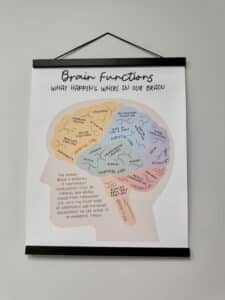

The assessment process involves multiple components working together to build a complete picture of how your child thinks, learns, and experiences the world.
Assessment helps by:
The process begins with a parent-only intake appointment.
During this meeting:
On testing day, your child will spend time doing a variety of activities that explore how their brain works: how they think, learn, remember, and solve problems.
These tasks are designed to be engaging and age-appropriate:
Children are welcome to bring snacks, a water bottle, or anything else that helps them feel comfortable. Most kids find the process interesting, and I always strive to create a calm, supportive environment where they feel at ease.
After testing is complete, we meet to review results, answer questions, and discuss next steps.
During the feedback session:
You’ll also receive a written report that includes all findings, interpretations, and recommendations, which can be shared with educators or other providers as needed.

I’m Dr. Allisen Landry, a pediatric neuropsychologist in Bellevue. I help families make sense of their child’s struggles by looking at the whole child, not just isolated symptoms.
The goal isn’t just to identify challenges but to help families see their child with greater clarity and compassion, so support feels empowering rather than overwhelming. You can also explore why my neuropsychology evaluations are different from standard approaches.
My office is located in Bellevue, serving families throughout the Eastside and greater Seattle area.
Areas we serve:

Neuropsychological testing provides answers when families are stuck wondering why learning, attention, memory, or behavior isn’t working the way it should.
Testing helps when:
Comprehensive evaluation offers:
Assessment isn’t always the first step. Sometimes, therapeutic support, medical evaluation, or educational interventions make sense before formal testing. An initial consultation can help determine whether the assessment fits the current situation.
Testing doesn’t solve problems directly, but it provides the roadmap. Knowing a child’s cognitive profile helps therapists tailor interventions, helps teachers provide appropriate accommodations, and helps families understand why certain approaches work better than others.
Certain situations benefit from neuropsychological assessment sooner rather than later, while others may resolve with time or other interventions.
Consider evaluation when:
Documentation from neuropsychological assessment supports requests for:
Schools require objective data to implement accommodations, and a comprehensive evaluation provides the documentation needed.
Assessment helps distinguish:
Testing provides objective data that clarifies the full picture when multiple diagnoses might be at play.
Children with medical histories that might impact cognitive functioning, such as premature birth, prolonged hospitalizations, or chronic illness, sometimes benefit from baseline assessment to understand cognitive strengths and any areas needing support as they grow.
Signs that a child may benefit from evaluation include:
Neuropsychological assessment serves anyone seeking to understand how their brain works, identify cognitive strengths and challenges, and develop strategies that support functioning.
Young people benefit from assessment when:
Assessment supports young adults managing:
Assessment clarifies situations where:
Assessment provides a roadmap showing:
A comprehensive neuropsychological evaluation involves multiple components designed to understand cognitive, emotional, and behavioral functioning.
A neuropsychological evaluation is a detailed assessment that examines how the brain processes information and how that affects learning, behavior, emotions, and daily functioning. Unlike general psychological assessments, neuropsychological evaluations specifically measure:
These evaluations use standardized, research-based tests to create an objective picture of strengths and challenges.
The evaluation begins with a thorough interview covering:
For children and adolescents, information is gathered from parents, teachers, and sometimes previous evaluations or medical records.
The testing battery assesses:
Families receive a detailed report including:
Reports are written in parent-friendly language so families can actually understand and use the information.
The feedback session walks through results together, answers questions, and ensures families understand findings and feel prepared to implement recommendations.
Unlike one-time evaluations, ongoing consultation is available for:
These evaluations serve different purposes and assess different aspects of brain function.
Conducted by neurologists who are medical doctors, neurological evaluations assess:
Neurologists use diagnostic tools like brain imaging (MRI, CT scan), EEG, and blood tests to diagnose and treat medical conditions affecting the brain and nervous system.
Conducted by psychologists with specialized training, neuropsychological evaluations assess:
Many situations benefit from both evaluations. For instance, when a child has epilepsy, the neurologist manages seizures and medications while the neuropsychologist assesses the cognitive effects of seizures and medications. Both types of assessment provide complementary information that informs comprehensive care.
Referral requirements depend on insurance coverage and the purpose of testing.
Families can contact my office directly to schedule an initial consultation, even without a referral. During this conversation, we discuss concerns, determine whether assessment is appropriate, and guide families through the process.
Self-referral works well when:
While not always required, referrals from physicians or other providers can:
Insurance coverage for neuropsychological testing varies significantly. Most plans cover assessment when:
Contact my office to discuss your situation. We can help you understand whether a referral is needed for your insurance, what information to gather from referring providers, and how to verify benefits.
Accessing a neuropsychological evaluation involves several steps.
Start by contacting my office to schedule an initial consultation. During this conversation, we discuss:
Before assessment, collect:
Intake paperwork includes:
Testing typically occurs in one session lasting 4-6 hours, depending on age and stamina. For younger children or those who fatigue easily, testing might be split across two sessions.
On testing day, children should:
After testing, all tests are scored, results are interpreted, records and history are reviewed, and a comprehensive report is written. This process typically takes 2-3 weeks.
The feedback session reviews results and findings, explains what they mean for daily life, discusses recommendations, answers questions, and plans next steps.
After assessment, ongoing support is available for:
Results from neuropsychological evaluation guide personalized intervention strategies:
While people seek neuropsychological assessment for many reasons, two primary purposes drive most referrals.
Neuropsychological evaluation plays a critical role in mental health treatment planning:
Assessment provides clarity when:
Testing offers objective data that distinguishes between similar presentations and clarifies the full picture.
Beyond understanding, assessment guides practical next steps through:
Assessment reveals:
Licensed therapists incorporate neuropsychological findings into ongoing treatment:
Neuropsychological tests are reliable and valid tools when administered and interpreted properly.
Tests undergo rigorous development with:
Test accuracy depends on:
Tests accurately assess:
Test scores alone don’t predict:
Test scores need interpretation within context. Accurate conclusions require:
Neuropsychological tests measure cognitive abilities reflecting how the brain processes information, learns, remembers, pays attention, solves problems, and regulates behavior.
Assessment typically measures:
When relevant, testing includes:
Assessment evaluates:
While neuropsychological testing provides valuable information, several limitations affect how results should be interpreted and used.
Test scores reflect cognitive functioning during the assessment session, which may not represent typical functioning. Factors that can affect performance include:
Despite efforts to create culturally fair tests, limitations remain:
Skilled evaluators account for cultural factors, but awareness of these limitations matters.
Test performance in a quiet, structured setting may not predict real-world functioning perfectly. The testing environment provides:
Real-world environments involve:
Testing clarifies many questions, but has limits:
Test scores are numbers, but they don’t tell the whole story. Scores need interpretation within developmental, medical, and cultural contexts. Qualitative information provides valuable insight, including:
The time required for neuropsychological evaluation varies based on age, concerns, and evaluation complexity.
Testing time depends on age and complexity:
Complex cases may require 6-8 hours across multiple sessions.
The complete process typically spans several weeks:
Total timeline runs 6-8 weeks from initial contact to feedback session.
Plan for:
Results aren’t available immediately. Comprehensive scoring, interpretation, and report writing take 2-3 weeks before the feedback session.
For answers to common questions families have about the evaluation process, visit our FAQ page.
Finding the right neuropsychologist for assessment requires considering credentials, specialization, and fit with specific needs.
When selecting a neuropsychologist in Bellevue, consider these factors:
Psychologists conducting neuropsychological assessments should have:
Neuropsychologists often specialize in:
Choose a provider whose expertise matches the age and concerns being addressed.
When contacting neuropsychology practices, consider asking about:
Also ask about:
I’m a pediatric neuropsychologist in Bellevue specializing in comprehensive assessment for children, teens, and young adults ages 5-25. My approach includes:
When looking for a therapist trained in neuropsychological assessments in Bellevue, consider the provider’s approach to comprehensive evaluation, how they work with families throughout the process, and whether they provide individualized recommendations rather than template-based reports. Providing care for neuropsychological assessments means looking at the whole child and partnering with families beyond the evaluation itself.
Contact my office to schedule an initial consultation. We’ll discuss concerns, answer questions about the approach, and help determine whether neuropsychological assessment is the right next step. My Bellevue office serves families throughout the Eastside, including Redmond, Kirkland, Sammamish, and surrounding communities.

Neuropsychological assessment provides the clarity families need to understand what’s happening and the roadmap for moving forward with confidence. Every child deserves to be seen for who they are, not just what they’re struggling with.
Contact my office to schedule your consultation. Together, we’ll explore your concerns, discuss whether assessment is the right next step, and create a path forward that builds on your child’s strengths while addressing what needs support.