When you’re worried about how your child is learning, feeling, or behaving, a pediatric neuropsychologist is the person who works to get to the root of things. I specialize in understanding how a child’s brain works, how it grows, and how all those brain systems connect to everyday skills, like reading, paying attention, managing emotions, or making friends.
Neuropsychological evaluations are not just about finding problems; they’re about seeing the big picture of your child’s unique strengths and struggles. If your family brings questions, Why is school so hard? Why are there so many meltdowns?, a good evaluation gives honest, actionable answers. This process can be life-changing, uncovering what helps your child thrive and which supports might bring new hope and options.
What Is Neuropsychological Evaluation and Why Does It Matter for Kids?
A pediatric neuropsychological evaluation is a thorough, science-based assessment that explores how your child’s brain functions in key areas such as memory, attention, problem-solving, language, and emotional control, an approach long supported by clinical neuropsychology research (Silver et al., 2006). Think of it as a detailed map: it measures cognitive and intellectual skills, not just what your child knows, but how they learn, organize their thoughts, and interact with the world.
Unlike standard educational or psychological tests, a neuropsychological evaluation goes several layers deeper. It doesn’t just check for learning disabilities or behavioral issues; it unearths the “why” behind those challenges by looking at underlying brain processes. So, if your child is struggling in school, or showing shifts in mood or social skills, neuropsychological testing can reveal patterns you, and sometimes schools, haven’t seen yet.
What makes this kind of assessment unique is the whole-child approach. A neuropsychologist doesn’t just focus on grades or one area of concern, but creates a broad, integrated profile that takes into account strengths, weaknesses, and how everyday life is affected. That’s why families often feel empowered and relieved after the process, finally, you get to see the full story, not just the symptoms. To read more about these assessments, see pediatric neuropsychology assessments and learn how a whole-child approach clarifies your child’s unique needs.
Pediatric Neuropsychology Explains How Your Child’s Brain and Behavior Connect
Pediatric neuropsychology is all about understanding the link between brain development and a child’s day-to-day experiences, how they learn, manage their feelings, and build relationships. I focus on finding out how certain patterns in the brain translate to both strengths and challenges at home or school.
This isn’t just about spotting problems; it’s about giving parents and teachers the insights needed to support a child’s growth in the way that fits them best. By combining scientific testing with real-world context, I make sure every evaluation is individualized and respectful of your child’s full story.
Who Needs a Neuropsychological Evaluation and What Conditions Are Treated?
Recognizing when your child may benefit from a neuropsychological evaluation often starts with noticing that something just isn’t adding up, maybe grades are dropping, friendships feel tougher, or frustration and anxiety have spiked. It’s normal for parents to wonder: Is this a phase, or is something deeper at play? That’s where neuropsychological testing steps in to offer clarity.
These evaluations are especially important when school struggles or behavioral issues linger despite good teaching and parenting, or when there are concerns about attention, memory, or emotional ups and downs. Sometimes, the need is clear, after a medical event, a diagnosis like epilepsy, or a history of birth complications, but just as often, it’s about giving worried families real answers and a plan forward.
A comprehensive pediatric neuropsychological assessment can also shed light on complex or overlapping conditions, such as ADHD, autism, anxiety, and learning disorders, or the impact of brain injury or chronic illness. A role that has been well documented in neuropsychological research on autism spectrum and related conditions (Zwick & Shiffer, 2017). If you’re unsure about whether to seek an evaluation, learn more about when to consider neuropsychology assessment or review common childhood concerns and conditions.
Children Who May Need an Evaluation
- Struggles with learning or attention: Kids who have a hard time keeping up in school, following directions, or remembering new information.
- Emotional or behavioral changes: A noticeable increase in anxiety, sadness, sudden mood swings, or frequent outbursts that don’t improve.
- Social difficulties: Children who find it tough to make friends, understand social cues, or connect with peers.
- Recovering from injury or illness: Kids who have had a concussion, seizure, or another medical event affecting their brain.
- Developmental delays or history of early challenges: Concerns that started in infancy or toddler years, including speech, movement, or sensory issues.
Conditions Treated in Pediatric Neuropsychology
- ADHD (Attention-Deficit/Hyperactivity Disorder): Assessment of focus, impulse control, and self-regulation challenges.
- Autism spectrum disorder: Evaluating social communication, sensory, and learning patterns.
- Learning disabilities: Identifying reading (dyslexia), math (dyscalculia), and writing (dysgraphia) issues.
- Brain injuries or chronic illness: Assessing effects from concussion, brain tumors, epilepsy, or chronic medical conditions.
- Mood and behavioral disorders: Understanding depression, anxiety, or other emotional changes.
What to Expect During the Evaluation Process
If this is your first time considering a pediatric neuropsychological evaluation, it’s natural to feel a mix of relief and uncertainty. My goal is to make the process as smooth and predictable as possible for both you and your child. Every assessment is designed with clear steps that focus on understanding, not judgment, creating a safe and supportive atmosphere from your first call to the final report.
The journey begins with a detailed intake: I’ll learn about your child’s history, development, and what prompted your concerns. Next comes the main event: in-person testing, where your child completes a range of pencil-and-paper and hands-on activities in a comfortable, supportive environment. Afterward, I analyze the results, looking for patterns that tell us how the brain is working in real life.
At the end, families receive clear, specific feedback, a personal roadmap that highlights strengths and clarifies areas for growth. By breaking the whole evaluation into step-by-step phases, I hope to replace worry with confidence.
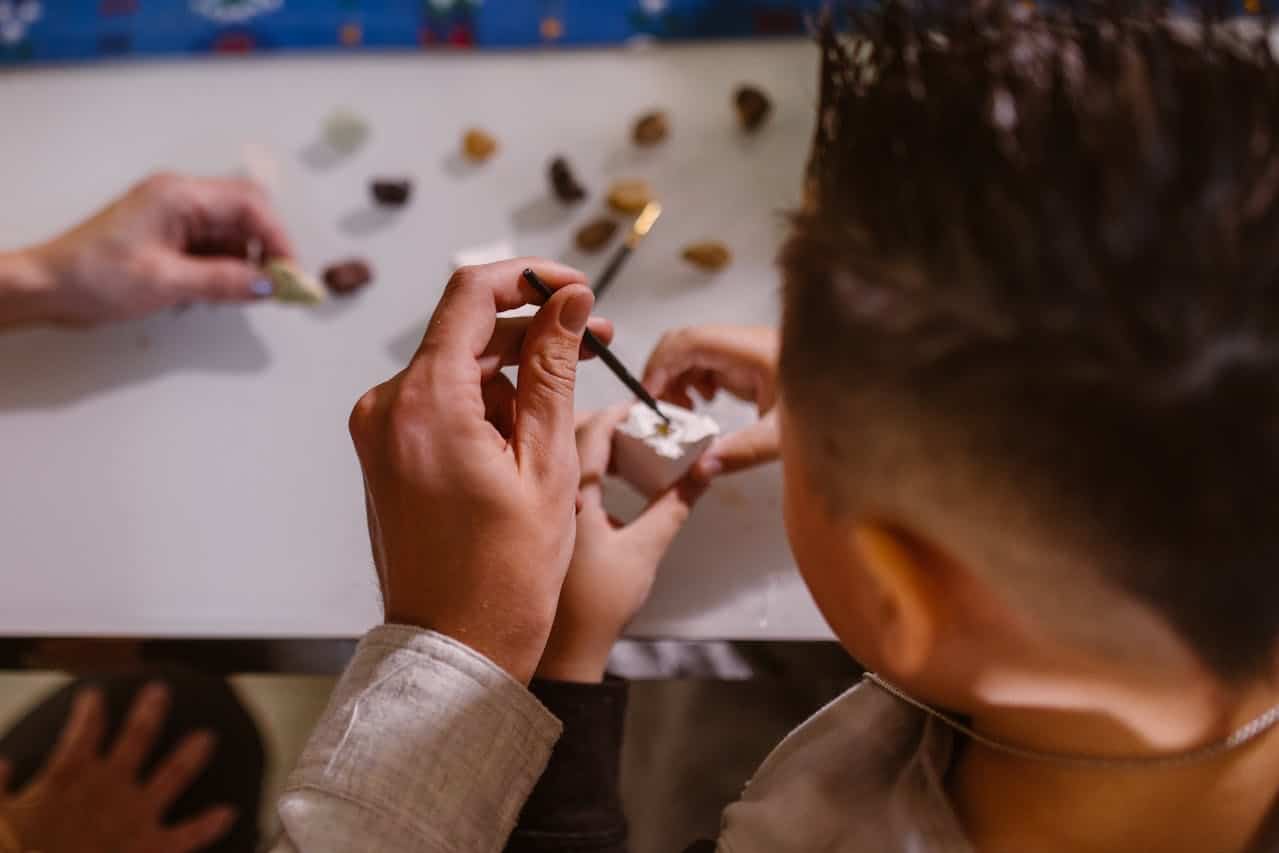
Step-by-Step Overview of the Evaluation Process
- Initial Intake Interview: We begin with a virtual meeting where I gather detailed information about your child’s development, health, school history, and current concerns. Parent and, sometimes, teacher input is highly valued.
- Direct Testing Session: Your child comes to my Bellevue office for one or more appointments. Sessions combine structured activities, puzzles, and simple tasks, making it as relaxed and child-friendly as possible.
- Results Analysis: I review and interpret the test results, considering parent and teacher input alongside data, to develop a clear cognitive and emotional profile.
- Feedback Meeting: We meet virtually to discuss the findings in plain language and talk through recommendations. You’ll get a comprehensive, easy-to-understand written report.
Age Requirements and Readiness for Assessment
Most pediatric neuropsychological assessments are best suited for children ages 5 to 25, although readiness varies. What’s important isn’t just chronological age, but things like your child’s ability to focus for 30–60 minutes, follow simple instructions, and feel reasonably comfortable with new adults or environments.
For younger children, I pay close attention to language development and ability to interact. I adapt my approach to your child’s developmental level and learning style, whether they’re in kindergarten, high school, or young adulthood. The goal is to ensure the process is fair, reliable, and feels supportive, not overwhelming, at any age.
How to Prepare for a Successful Evaluation
Success on evaluation day starts with feeling organized and supported, by both parents and professionals. Before your appointment, gather whatever paperwork you have about your child’s learning, development, and medical history. If possible, bring copies of report cards, teacher feedback, past evaluations, and any records about medication or health concerns.
Don’t forget the small but important stuff: If your child uses glasses, hearing aids, or any comfort items, pack them up in advance. Double-check medication lists, and make sure they’re taken as usual unless your doctor says otherwise.
As for school, it’s helpful to let teachers know you’re doing an evaluation, they can often provide valuable input or answer questionnaires honestly. The more details we have, the better the whole picture for your child will be.
Most importantly, set your child up for a calm day. Explain the appointment in simple, positive terms, “You’ll get to do puzzles and games to help us understand how you learn.” Remind them there are no right or wrong answers. Make sure they get a good night’s rest, a healthy breakfast, and know you’ll be right there to support them the whole way.
Understanding the Results and Next Steps After Your Child’s Evaluation
Once the evaluation is complete, my job is to make the results understandable and actionable. When we meet for feedback, I’ll walk you through the findings in clear, everyday language, no confusing jargon or endless statistics. You’ll learn about your child’s cognitive and emotional strengths as well as any areas that may need support.
We’ll discuss how the profile informs your child’s experience at school, with friends, and at home. This is where recommendations turn into an actual plan, with strategies for school accommodations, therapy referrals, or tips for supporting your child at home.
If your child might benefit from a formal education plan, such as a 504 plan or IEP, we’ll cover how the evaluation supports those requests. The goal is to leave you feeling clear on “what now?”, with concrete ideas and a path forward.
Outpatient Services and How They Differ from School or Team-Based Evaluations
When weighing where to get an evaluation, families often wonder: What’s the difference between private, outpatient neuropsychological services and school-based or multidisciplinary team assessments? Picking the right fit can shape the details you learn and the kind of help your child receives.
Outpatient neuropsychological assessments, like those offered at my Bellevue practice, tend to be more comprehensive and individually tailored. Each evaluation is designed around your specific questions and your child’s unique story. You have direct access to me throughout, and results are shared privately with you.
In contrast, school-based evaluations are usually focused on deciding whether your child qualifies for special education or classroom supports. Multidisciplinary evaluations in medical settings bring together several specialists, which can be helpful in medically complex cases but may not offer the same continuity or personalization as outpatient care.
For families wanting a thorough, strengths-based perspective and practical recommendations that bridge home and school, outpatient services often deliver the clarity and peace of mind they’re hoping for. For deeper insight, visit this overview comparing school vs. private neuropsychological evaluations.
Outpatient Pediatric Neuropsychological Services
Private, outpatient neuropsychological evaluations, like those at my Bellevue office, are highly personalized and parent-focused. You’ll see the same licensed neuropsychologist throughout, ensuring continuity and trust. Sessions are structured around your child’s needs, with flexibility for scheduling and breaks.
Families benefit from ongoing, open communication and the chance to ask questions at every stage. I can also connect with your child’s teachers or therapists to make sure recommendations fit real-world settings. Learn more about my approach at Northwest Pediatric Neuropsychology, which highlights the strengths-based, compassionate care I offer Seattle-area families.
School-Based Assessments vs Multidisciplinary and Neuropsychological Evaluation
- School-Based Assessments: These focus on determining eligibility for special education or classroom accommodations. Typically, they assess academic skills, attention, and basic behavioral issues, but may not capture the whole cognitive profile or underlying brain functions.
- Multidisciplinary Evaluations: Often done in hospitals or clinics, these bring together different specialists (like neurologists, psychologists, speech therapists). They’re important for complex medical issues but may offer less coordination across settings.
- Private Neuropsychological Evaluations: Provide an in-depth, integrated look at brain, behavior, emotions, and learning. You receive formal diagnoses and practical, individualized recommendations for both home and school settings.
Conclusion
A pediatric neuropsychological evaluation is more than a test, it’s a journey toward understanding your child with fresh eyes and hope. By mapping how your child’s brain and daily life connect, we uncover both strengths and areas for growth, providing supportive, practical strategies for families and educators.
Guided by collaboration, thorough assessment, and clear communication, the process removes guesswork from supporting your child’s learning and emotional well-being. The real power lies in clear recommendations, concrete action steps, and ongoing support when you need it most.
With the right insight, every child can have a fair shot at thriving, in school, at home, and out in the world. If you’re seeking clarity and guidance, a neuropsychological evaluation is a wise, compassionate next step.
Frequently Asked Questions
What’s the difference between a neuropsychological evaluation and a school assessment?
A neuropsychological evaluation looks at a broader range of skills, like memory, attention, language, and emotional functioning, often going deeper than school assessments. School evaluations usually focus on educational skills and special education eligibility. Neuropsychologists are licensed clinical specialists who can diagnose complex, overlapping issues and give recommendations for both home and classroom supports.
Will my child receive a diagnosis after a neuropsychological evaluation?
If results indicate a pattern matching a specific condition, like ADHD, a learning disability, or autism, I provide a clear, formal diagnosis. But even if no diagnosis is given, you’ll still get a detailed profile of strengths and weaknesses, with concrete recommendations for accommodation and support at school and home.
How long does the evaluation process take from start to finish?
Generally, the full process, intake, testing, analysis, and feedback, takes three to six weeks, depending on scheduling and information gathering. Direct testing is usually completed in one (sometimes two) sessions, and I prioritize timely, thorough communication at every step so you know exactly what to expect and when.
How should I explain the evaluation to my child?
Keep it positive and simple: “You’ll do puzzles, games, and questions to help us learn how you think and solve problems.” Let them know there are no right or wrong answers, and reassure them that you’ll be there to support them every step of the way. If they feel anxious, I’m happy to talk with you first about how to set the right tone.
Will you work with my child’s school or other providers?
Absolutely. With your permission, I can coordinate with teachers, school psychologists, and therapists to make sure my recommendations are clear, actionable, and fit real-life situations. This collaboration helps ensure your child receives the right supports, whether it’s school accommodations, therapy referrals, or day-to-day strategies at home.
References
- Silver, C. H., Blackburn, L. B., Arffa, S., Barth, J. T., Bush, S. S., Koffler, S. P., Pliskin, N. H., Reynolds, C. R., Ruff, R. M., Tröster, A. I., Moser, R. S., & Elliott, R. W. (2006). The importance of neuropsychological assessment for the evaluation of childhood learning disorders. Archives of Clinical Neuropsychology, 21(7), 741–744.
- Zwick, G. P. (2017). Neuropsychological assessment in autism spectrum disorder and related conditions. Dialogues in Clinical Neuroscience, 19(4), 373–379.